
For the families who turned La Chona into a ritual and every accordion break into a signal to get up. We make this tee for the songs that crossed the border and stayed in the room.
From Sinaloa to Tijuana
Before the name, the matching suits and the packed arenas, there were young men from Sinaloa arriving in Tijuana with music already in the family. Their uncles, Los Incomparables de Tijuana, helped them with their first instruments. On April 13, 1987, they began playing at Bar Razza’s Club and a cousin gave them the name Los Tucanes de Tijuana.
The border was more than a backdrop. It shaped the movement inside the music: stories leaving one place, arriving in another and learning how to live between both. The accordion carried the road; Mario Quintero’s writing gave it characters.
Songs that entered the room
By the mid-1990s, the group had built a sound that could move between corridos, cumbias and romantic songs without losing its nerve. La Chona and El Tucanazo became more than hits. They became instructions: clear the floor, turn the volume up, and let every generation join in.
Their corridos worked differently but came from the same instinct for story. A name, a choice and a consequence could become a whole world in a few minutes. El Papá de los Pollitos arrived in 2007 and its album opened at the top of Billboard’s Regional Mexican chart.
The border sound goes global
The years widened the stage without sanding down the music. Los Tucanes earned a Latin Grammy for 365 Días in 2012, and in 2019 became the first regional Mexican group to perform at Coachella. What began in a Tijuana club had become part of family parties, long drives and festival crowds far beyond the border.
That is the life held in this archive: the early lineups, the road-worn stage years, Mario at the twelve-string guitar, the Coachella crowd and the modern group still carrying the same pulse. Photo credits: Aurelio Villalobos (CC BY 2.0) and LosTucanesDeTijuana (CC BY-SA 4.0).
In frame
-
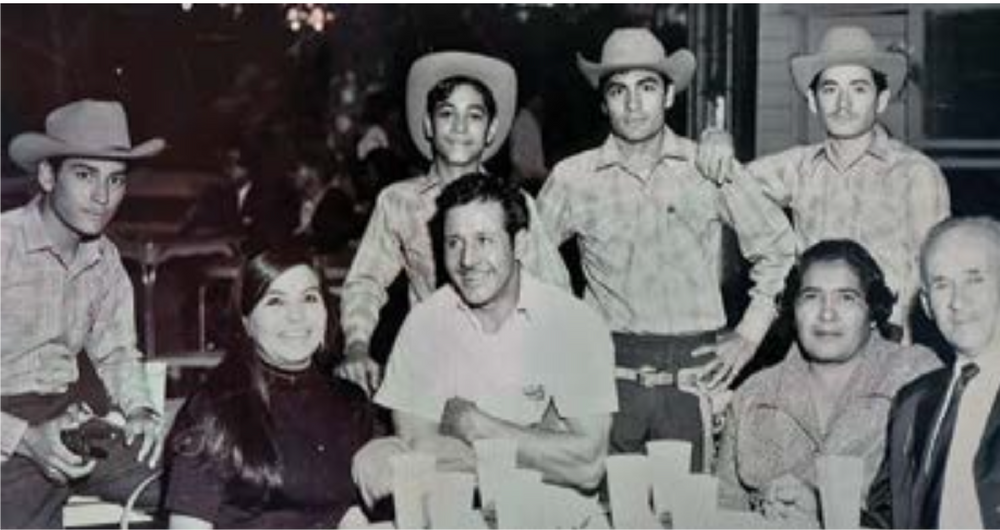
The early lineup, before the arenas
-
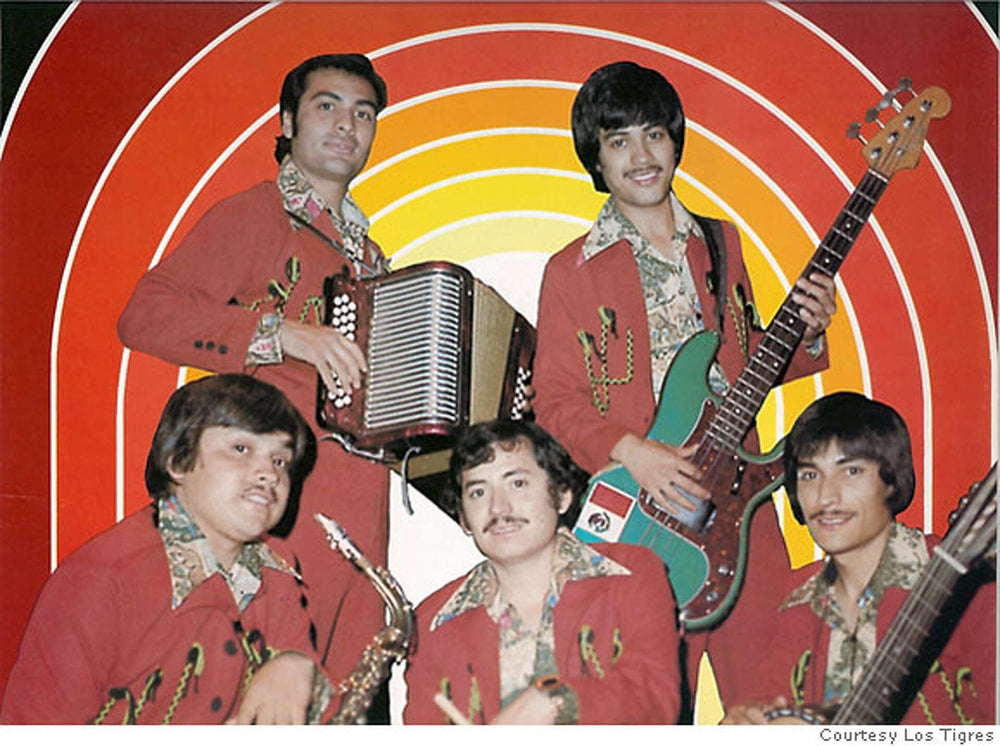
The five-man group finding its signature look
-

Mario Quintero leading from the twelve-string guitar · Aurelio Villalobos / CC BY 2.0
-
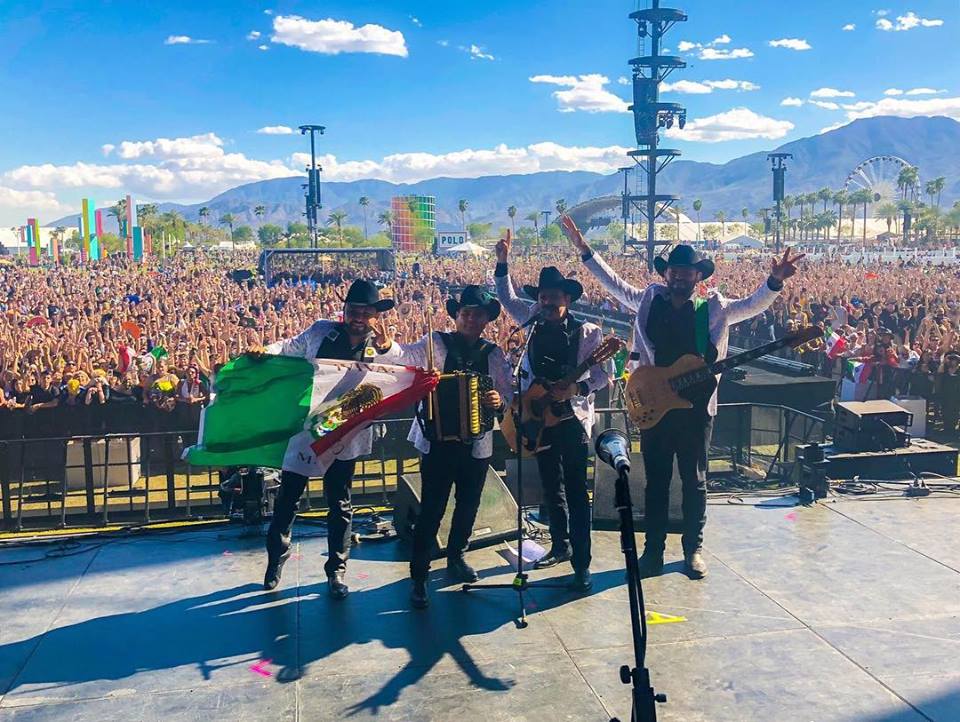
Coachella, 2019 — the border sound on a new stage
-
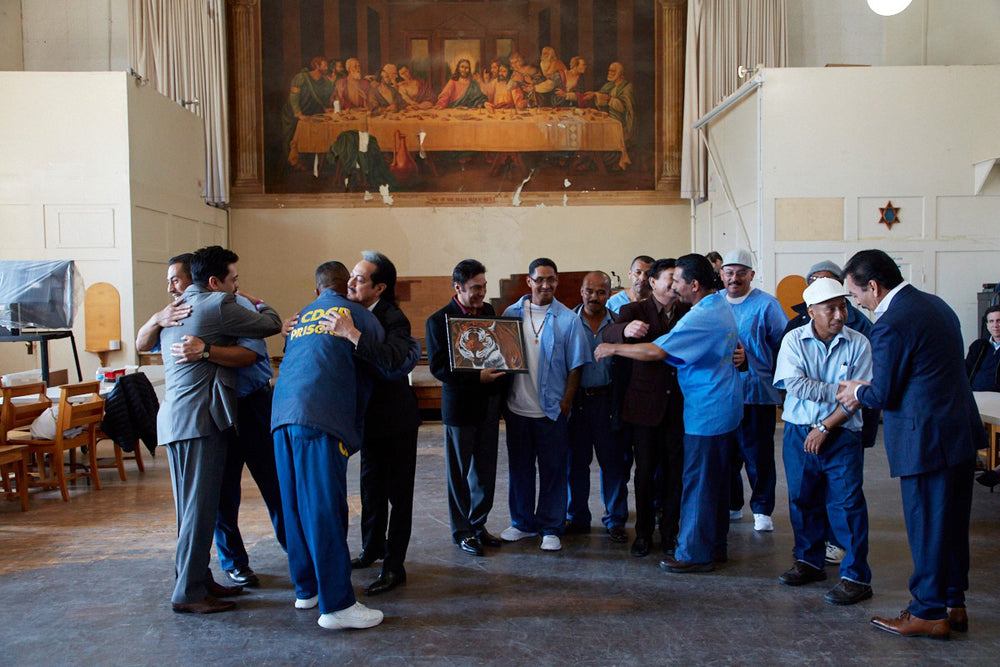
Los Tucanes de Tijuana in 2022 · LosTucanesDeTijuana / CC BY-SA 4.0
