
For the border stories carried in a voice you could never mistake. We make this tee to remember Beto's words, his people and where he came from.
The boy who wrote before he sang
Norberto Quintanilla Iracheta came from General Terán, Nuevo León. As a child, he was already drawn to words and poems. His education was interrupted by the need to work, but the habit of noticing people and turning their lives into lines stayed with him.
He later made a home in Reynosa, Tamaulipas. The border gave his writing a landscape of journeys, work, loyalty and loss. Before Beto Quintanilla became a familiar name on a record sleeve, he was a working man with stories to tell. The songs began in that attention to the lives unfolding around him.
The voice nobody could teach
Encouraged to record in the 1970s, Beto brought his own compositions into a voice that sounded weathered from the beginning. He had little interest in smoothing away its character. The delivery was plain, forceful and instantly recognisable.
His corridos told stories of the border, including its violence and the people entangled in it. Loyalty, imprisonment and loss appear throughout that world. Listening carefully means hearing the consequences as well as the names; these were lives with families and people left behind.
Recordings travelled through the places where that voice felt at home: trucks, shops, gatherings and everyday journeys. The connection came from the particularity of his storytelling. Even listeners who had never met him could feel the presence of a man setting down what he had seen and heard.
The lion in the archive
Songs such as Raquenel Villanueva and El Calabozo became part of the body of work associated with El Mero León del Corrido. The nickname suited the sound, but it should also lead back to the writer: the boy who began with poems, the worker who kept composing, the man within the image.
Beto died in Reynosa in March 2007. His recordings continued to circulate, finding listeners who were too young to have seen him perform. A voice so specific to one person became part of a larger memory of the border.
We include him here because that memory deserves care. This tee carries the name and face people recognise, while the archive leaves space for the life behind them. Remembering Beto means hearing the grain in his voice and the attention in his words, and understanding that a corrido can preserve a world long after its singer is gone.
In frame
-

Beto Quintanilla, an early portrait
-
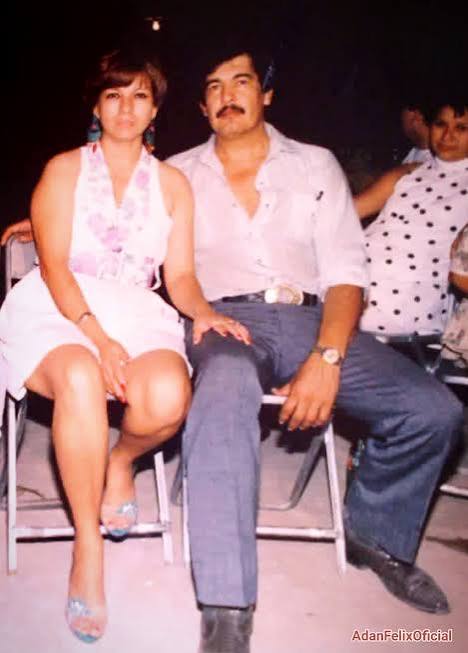
Beto with his wife, Blanca
-

Los Remixes del Mero León del Corrido, Vol. 2
-
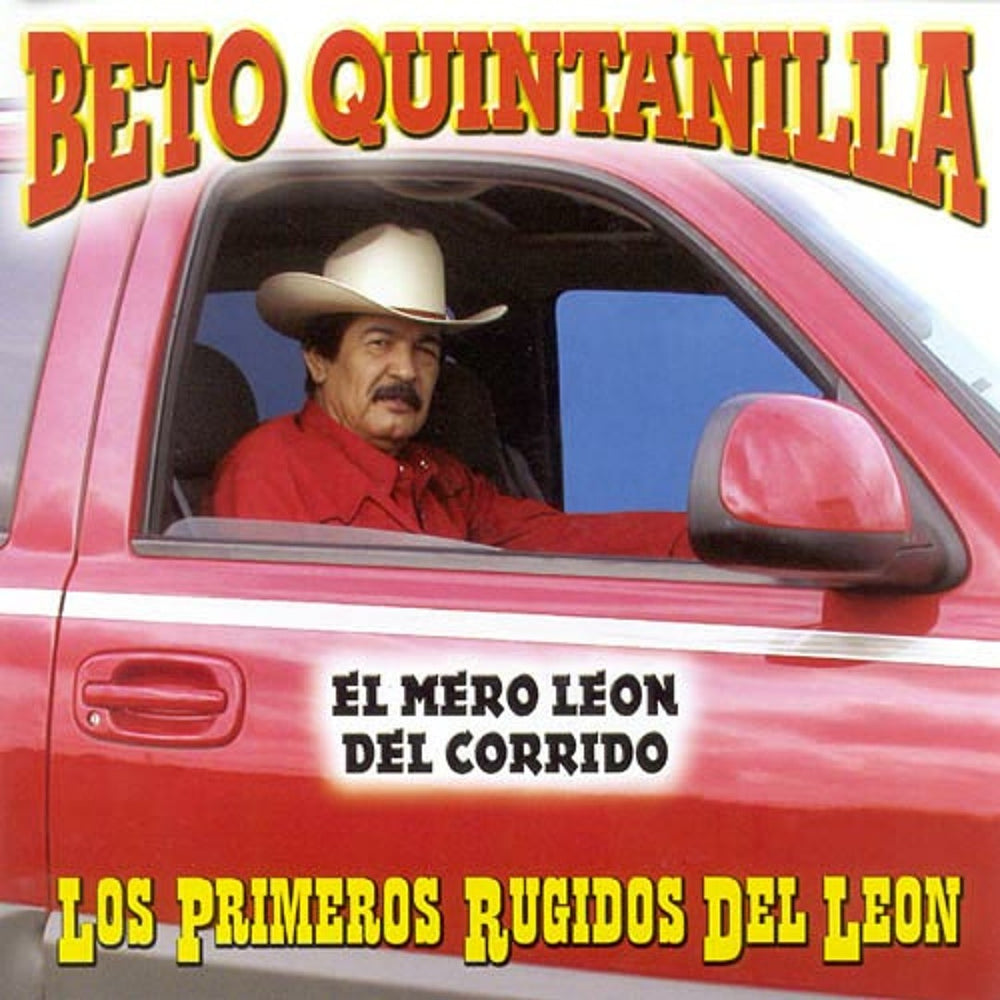
Los Primeros Rugidos del León: record sleeve
-
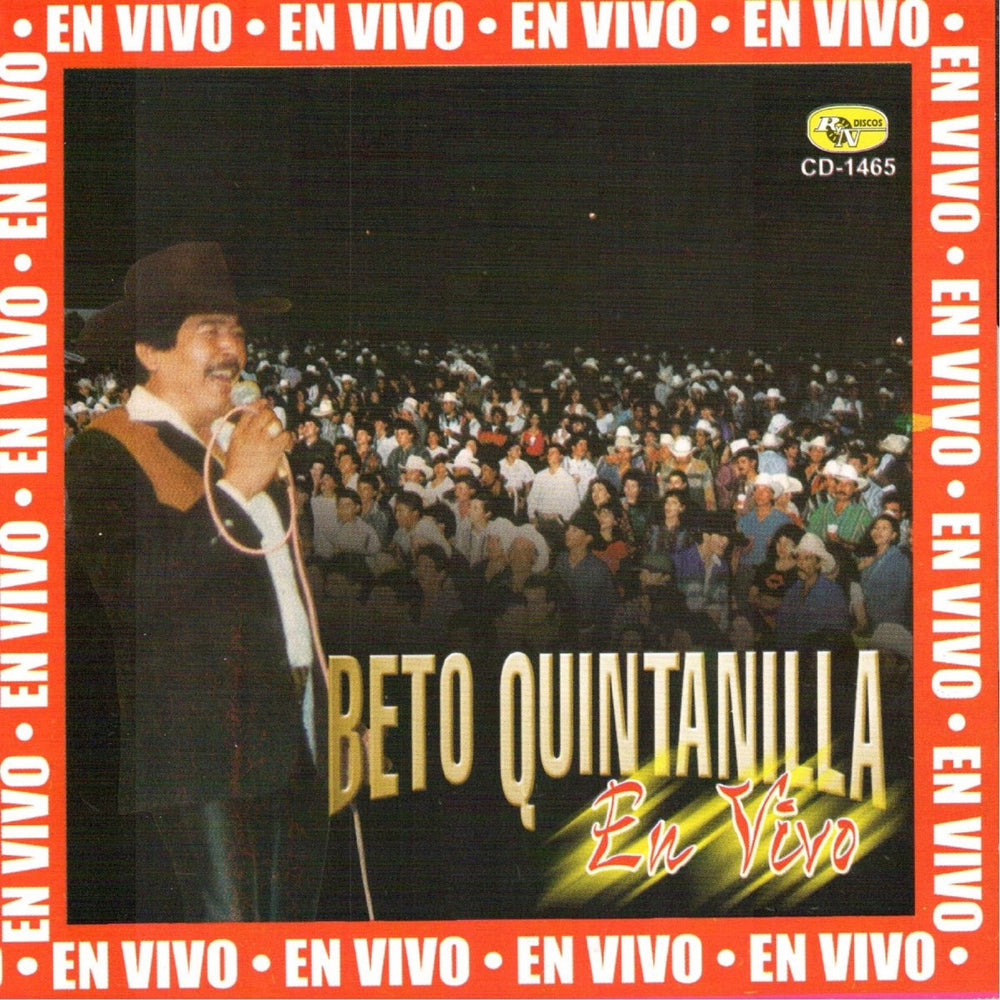
Beto Quintanilla En Vivo: the stage and the audience


